Learn dosha yoga and meditation Ayurveda practices to tailor movement, breath, and focus for Vata, Pitta, and Kapha balance.
Ayura Insight
Your body is unique. What feels balanced for one person may not work for another.
Discover your dosha with Ayura
Take Free Quiz
💡 Key Takeaways
- •Practice quality and regularity matter more than duration.
- •Dosha-aware pacing helps prevent overexertion and dropout.
- •Breathwork can regulate nervous-system tone quickly.
- •Use gentle progression and track response.
- •Vata: slow transitions, longer exhalations, grounding postures.
- •Pitta: moderate pace, cooling breaths, non-competitive mindset.
Dosha yoga means matching movement style and meditation technique to your current pattern. Vata typically benefits from slower grounding flows, Pitta from cooling non-competitive sequences, and Kapha from more energizing practice. Meditation Ayurveda approaches prioritize regularity and breath awareness over long sessions done inconsistently.
Ayurvedic perspective
Ayurvedic movement guidance is less about performance and more about restoring quality balance. The right style should leave you clearer, not depleted or overstimulated.
Practical recommendations
Use these foundational steps to build a realistic routine while respecting your current health status.
- Vata: slow transitions, longer exhalations, grounding postures.
- Pitta: moderate pace, cooling breaths, non-competitive mindset.
- Kapha: brisker sequences, dynamic breathing, morning sessions.
- End with short stillness to consolidate nervous-system recovery.
Step-by-step images
Step 1: Grounding warm-up

Step 2: Dosha-matched movement
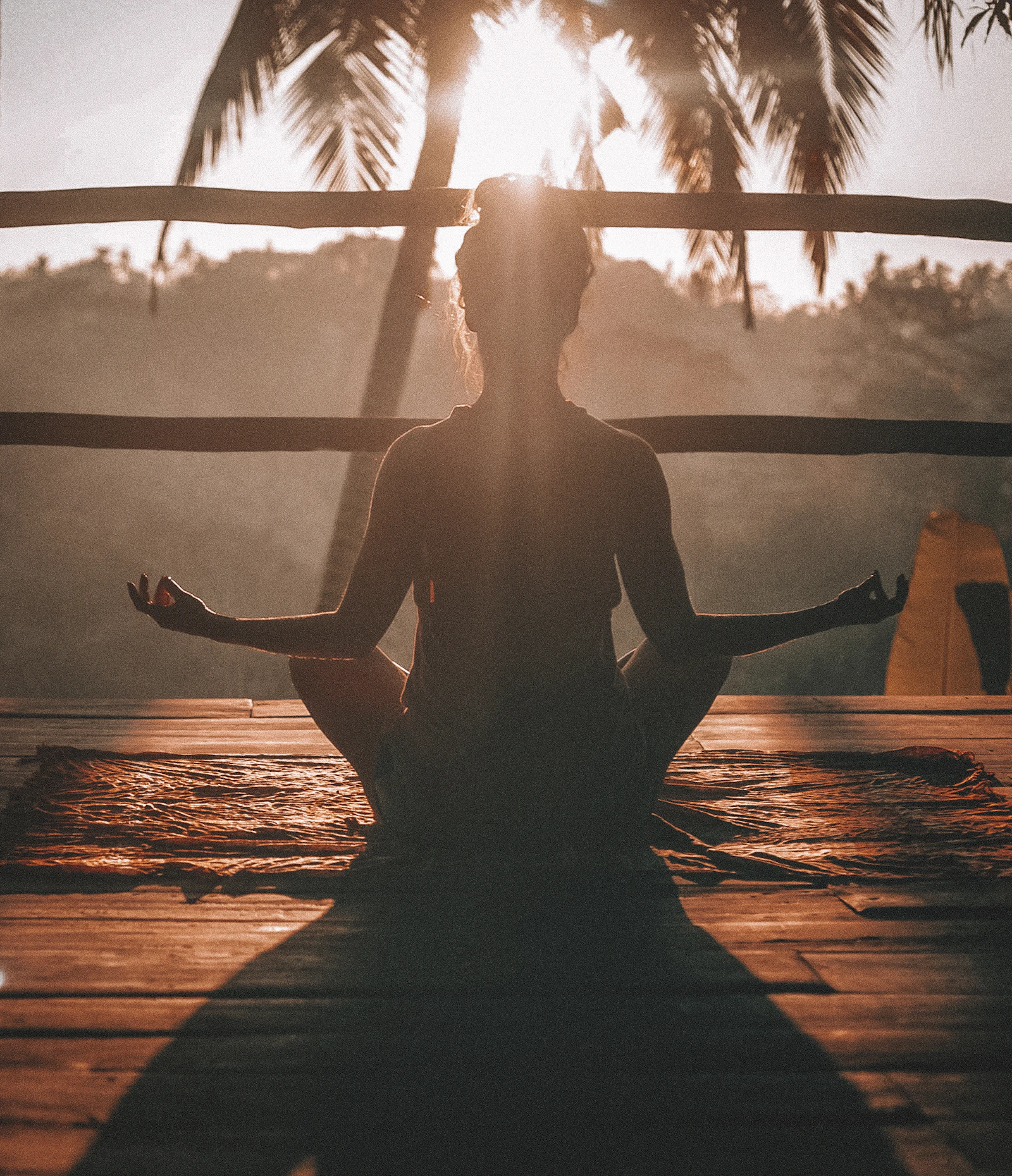
Step 3: Seated meditation finish

References
- NCCIH: Ayurvedic Medicine In-Depth
- PubMed: Ayurveda clinical trial search
- WHO Traditional, Complementary and Integrative Medicine
Related Ayura guides
Frequently Asked Questions
Even 10 to 20 minutes daily can be effective when practice style matches your current needs.
Simple breath-focused and body-grounding practices are often useful for Vata-dominant stress patterns.
It can in some people, especially in hot weather or high-stress phases.
Disclaimer: This information is for educational purposes only and is not a substitute for professional medical advice. Consult your healthcare provider before making changes to your diet or lifestyle.
Keep Reading
Ayurvedic Routines for Daily Balance
Build an Ayurvedic routine with daily rituals Ayurveda recommends, including morning and night self-care for sustainable Ayurveda lifestyle balance.
Ayurvedic Self-Care Practices (How-To, USA)
Learn Ayurvedic self-care practices including abhyanga massage, nasya, oil pulling, and bathing rituals with U.S.-focused safety guidance.